





Health Blog

Host Homes: Frequently Asked Questions


We've gathered the most frequently asked questions about Host Homes in Georgia. Please let us know if you have any questions that are not Read more

Important Updates to Georgia’s Structured Family Caregiver (SFC) Program


If you are dedicating your time to caring for an elderly or disabled family member at home, Georgia’s Structured Family Caregiver (SFC) program offers Read more

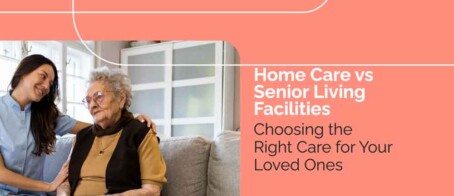
Home Care vs. Senior Living Facilities


Should You Stay or Should You Go? Home Care vs Living Facilities Spoiler Alert: There's a Third Option! Thinking about senior care options for yourself or Read more

How to update your address or phone number with Medicaid (Georgia)


There are 3 ways to update your contact information with Medicaid in the State of Georgia. Method 1 You can update your information by logging onto Read more

What is the Georgia Elderly and Disabled Waiver Program (EDWP) and How Can it Help You?


The Georgia Elderly and Disabled Waiver Program can help those in need remain safe and independent in their homes and communities. Read more

How to get help when you're struggling to care for a family member at home


It can be difficult to care for a family member at home, especially if you're struggling to do it all on your own. If Read more

Happy 4th!


Caring Hands United wishes you a happy Independence Read more

Celebrate Independence Day at Home


Fun and Safe Ideas for Seniors! The 4th of July is a time for fireworks, barbeques, and celebrating freedom! But for some seniors, large crowds Read more

PCA vs CNA: What’s the difference?

While both CNAs and PCAs provide care for patients, there are some key differences between the two roles. In this blog post, we will explore the differences between a CNA and PCA in the state of Georgia.

Certified Nursing Assistants (CNAs)

CNAs are responsible for providing hands-on care to patients in various healthcare settings, such as hospitals, nursing homes, and assisted living facilities. They work under the supervision of licensed nurses and are trained to perform tasks such as taking vital signs, assisting with activities of daily living (ADLs), and providing basic nursing care.

To become a CNA in Georgia, you must complete a state-approved nursing assistant training program and pass a competency exam. This program typically consists of classroom instruction, clinical training, and hands-on experience. CNAs must also pass a criminal background check and be listed on the Georgia Nurse Aide Registry.

Personal Care Aides (PCAs)

PCAs, also known as caregivers or home health aides, provide non-medical care to patients in their homes or in assisted living facilities. They are responsible for assisting with ADLs such as bathing, dressing, grooming, and toileting. They may also provide light housekeeping, meal preparation, and transportation to appointments.

Unlike CNAs, PCAs are not required to have formal certification or training in the state of Georgia. However, many home health agencies require their PCAs to complete a training program or pass a competency exam. Additionally, PCAs are not authorized to perform any nursing tasks or administer medication.

Key Differences

One of the main differences between CNAs and PCAs is the scope of practice. CNAs are authorized to provide basic nursing care and work in a variety of healthcare settings, while PCAs provide non-medical care in the patient’s home or in assisted living facilities.

Another key difference is the level of training required. CNAs must complete a state-approved training program and pass a competency exam, while PCAs are not required to have formal training or certification. However, many home health agencies require their PCAs to have some training or certification.

Finally, the work environment is also a significant difference between the two roles. CNAs typically work in hospitals, nursing homes, or other healthcare facilities, while PCAs work in the patient’s home or in assisted living facilities.

In conclusion, while both CNAs and PCAs provide essential care to patients in Georgia, there are significant differences between the two roles. CNAs provide basic nursing care in a variety of healthcare settings, while PCAs provide non-medical care in the patient’s home or in assisted living facilities. If you are considering a career in caregiving, it is important to understand the differences between these roles and choose the path that best suits your interests and career goals.

If you live in Georgia and are interested in working in home health care as a caregiver, contact us for information on how you can get trained as a PCA to start your new career. Our training is free for eligible applicants who desire to work with us. Click here to learn more.